Vets Who Code
Job Hunting in the Age of AI

3 hours, 1 minute
CC

Course Description
What's new in v4
Version 4 explores how software engineering jobs have evolved with AI. It also provides learners with a tookit for evaluating their resume, LinkedIn, GitHub, and portfolio based on real job data.
Build a data-driven system for landing your next role. Use the JobHunt toolkit to score and strengthen your resume, LinkedIn, GitHub, and portfolio so you stand out to recruiters, hiring teams, and AI screening tools. Learn to write impact statements that show measurable results, prepare for AI-driven interviews, and negotiate offers with confidence.
Prerequisite: This course is targeted at software engineers, but a lot of the strategies can be applied to anyone navigating the job market.
Preview
Course Details
Published: November 20, 2026
Learning Paths
Topics
Learn Straight from the Experts Who Shape the Modern Web
Your Path to Senior Developer and Beyond
- 300+ In-depth courses
- 24 Learning Paths
- Industry Leading Experts
- Live Interactive Workshops
Table of Contents
Introduction
Section Duration: 9 minutes
 Jerome Hardaway begins the course by explaining how to build a stronger software engineering job-search strategy by improving resumes, LinkedIn profiles, and GitHub portfolios. Leveraging data and observing market trends gives job seekers an advantage during their job search. - AI-Era Job Kit: https://github.com/Vets-Who-Code/ai-era-job-kit
 Jerome demonstrates how to use the JobHunt toolkit to evaluate and improve resumes, LinkedIn profiles, GitHub presence, and portfolios. He walks through installing the kit, running the scoring commands, reviewing results, and interpreting machine- and human-readability scores.
Resume & ATS
Section Duration: 1 hour, 11 minutes
 Jerome highlights how software engineering careers are evolving rather than disappearing in response to artificial intelligence and other technological shifts. He examines emerging roles such as AI engineer, AI agent engineer, ML engineer, and design engineer, while explaining how traditional developers can transition into these fields.
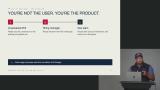 Jerome recommends approaching a job search as a data-driven engineering project rather than a process of randomly submitting resumes. He explains how ATS (Applicant Tracking Systems) read resumes and shares advice for presenting only skills you can defend, addressing employment gaps through meaningful technical projects and volunteering, and actively distributing your work.
 Jerome demonstrates how to evaluate skills using ATS criteria and data from sources such as O*NET and the Bureau of Labor Statistics. He explains how to tailor a comprehensive resume into role-specific versions, highlight relevant technologies, quantify professional impact, and present confidential work appropriately.
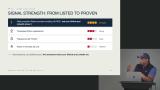 Jerome breaks down how resumes are scored and shares tips for strengthening professional profiles by moving beyond simply listing skills and instead providing evidence Other techniques include demonstrating applied experience, aligning materials with target roles, and using tools to assess and improve application strength.
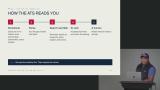 Jerome dives deeper into how applicant tracking systems (ATS) evaluate candidates. He recommends using data to present their skills, keep their documentation current, and transform their portfolios into comprehensive knowledge bases.
 Jerome explains how job seekers can adapt to changing technology expectations by developing current skills, maintaining practical experience, and using employment gaps for focused learning and project work. He shows how LinkedIn, GitHub, portfolios, and project evidence can strengthen a candidate’s profile while warning against unsupported keywords, hidden text, and inflated claims. The lesson concludes with a method for breaking down job descriptions, identifying the most important qualifications, and mapping each requirement to credible evidence in a resume or portfolio.
Portfolios & Projects
Section Duration: 24 minutes
 Jerome recommends using a personal portfolio as a single source of truth. Proactively learning marketable skills and highlighting them on a portfolio site can also demonstrate decision-making skills, balance trade-offs, and provide general evidence of work.
 Jerome makes the case for why your GitHub should function as a polished, user-focused portfolio: pin only well-documented, live projects with clear READMEs, setup instructions, tests, evaluations, and explanations of key decisions. Projects become much more valuable when they have real users, measurable results, ongoing improvement, and publicly demonstrable depth.
Section Duration: 31 minutes
 Jerome explains why LinkedIn should be treated primarily as a professional signal, portfolio, and networking platform, rather than the main place to submit job applications. He recommends applying through targeted job boards such as Dice or directly through company websites.
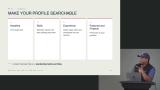 Jerome demonstrates how to optimize a LinkedIn profile by aligning the headline, skills, experience, projects, and portfolio with the roles you want. He recommends completing every relevant section, adding certifications and recommendations from managers
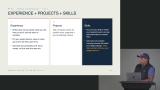 Jerome advises job seekers to describe their experience through impact statements that explain what they personally built or led, how they did it, and the measurable results. Career switchers should compensate for missing credentials by demonstrating their abilities through substantial projects, demos, technical blogs, and write-ups.
AI Job Search Tools
Section Duration: 42 minutes
 Jerome highlights how AI interviewers may evaluate transcripts against a recruiter’s rubric, including pauses, filler words, resume evidence, and answer quality. They generally avoid facial expressions, personality, or emotion scoring because of disability-discrimination concerns. Jerome recommends practicing concise, evidence-based STAR-L answers that emphasize personal contributions and lessons learned, and using tools such as mock transcripts and AI-generated study guides to defend every line of your resume.
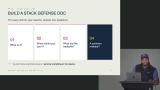 Jerome covers some techniques for leveraging AI tools during the job search. AI should support targeted job research, preparation, mock interviews, and portfolio promotion, and not be used for mass application submissions.
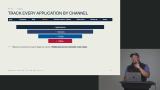 Jerome explains that the job search should be treated as a data project by tracking applications, interview stages, response times, resume versions, and outcomes. He shows how to identify where applications are getting stuck and use that information to focus future preparation.
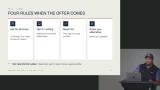 Jerome shares advice on handling job offers. He recommends requesting 48 hours to make a decision and insisting on receiving the offer in writing. He also outlines key factors to negotiate and compare, including base salary, signing bonuses, equity, and risk.
 Jerome spends a few minutes covering where junior developers can find opportunities in AI enablement, documentation, training, and improving software development processes, where their curiosity helps uncover gaps that experienced employees may overlook. He argues that entry-level expectations are rising beyond basic coding, so candidates should understand system design, the software development lifecycle, communication, and how to work effectively with AI.
Wrapping Up
Section Duration: 1 minute
 Jerome wraps up the course by emphasizing that job seekers are the “product,” with their skills and portfolio serving as the source of truth, and by encouraging them to maintain their workflows consistently. He stresses that career growth is a marathon, and even after getting a job, people should continue learning and improving rather than becoming stagnant.
Earn a Completion Certificate
After completing this course, you'll receive a certificate of completion that serves as proof of your achievement, showcasing your expertise, and commitment to professional development. You can easily share this certificate on your LinkedIn profile to highlight your new skills and demonstrate continuous learning to potential employers and professional connections.